Iron is often associated with strength and metal, and for good reason—it is the structural backbone of our energy and vitality. While we only carry about 3 to 4 grams of it in our bodies, every milligram is vital for keeping our systems running.
The Lifeblood of Oxygen Transport
The most critical role of iron is in the production of hemoglobin, a protein found in red blood cells. Think of hemoglobin as a fleet of delivery trucks; its job is to pick up oxygen from your lungs and transport it to every tissue and organ in your body. Without sufficient iron, your body cannot produce enough healthy red blood cells, leading to a “supply chain” breakdown where your muscles and brain don’t receive the oxygen they need to function.
Beyond Blood: Energy and Immunity
While its role in blood is famous, iron is a multi-tasker:
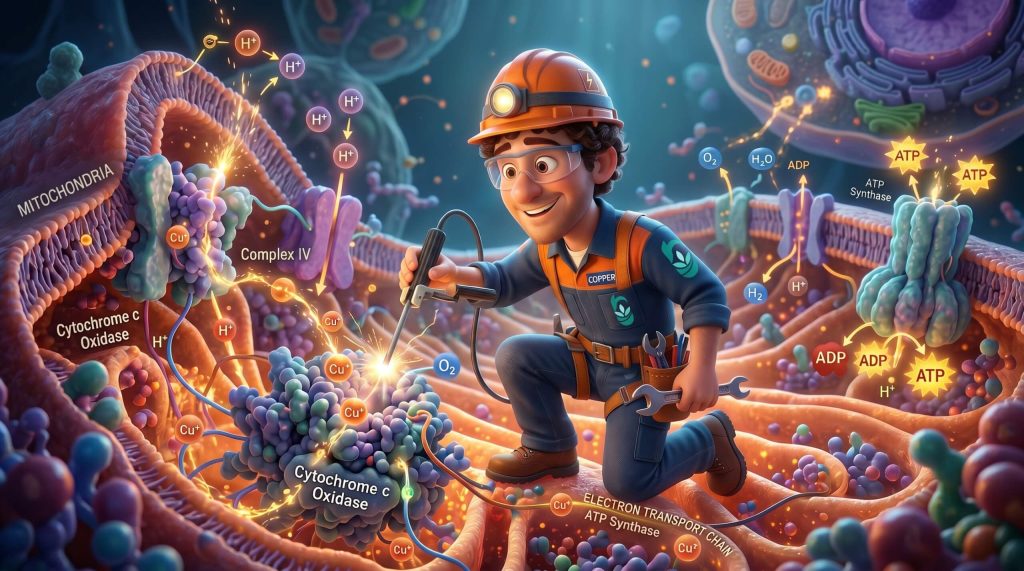
- Energy Production: Iron is a key component of myoglobin (which stores oxygen in muscles) and various enzymes involved in the electron transport chain—the “power plant” within our cells.
- Brain Health: It supports the synthesis of neurotransmitters like dopamine and serotonin, which regulate mood and focus.
- Immune Defense: Iron is necessary for the proliferation of immune cells that fight off infections.
When Levels Drop: Recognizing the Signs
When iron stores called Ferritin become depleted, the body enters a state of Iron Deficiency Anemia. The symptoms are often subtle at first but become debilitating over time:
- Extreme Fatigue: A level of tiredness that sleep doesn’t fix.
- Cognitive: Difficulty concentrating or remembering tasks.
- Physical Markers: Pale skin, brittle nails, and “pica” (unusual cravings for non-food items like ice or dirt in extreme cases).
- Shortness of Breath: Feeling tired even after light activity.
Supplementation: The Liposomal Advantage
For many, diet alone isn’t enough to correct a deficiency. However, traditional oral iron salts (like ferrous sulfate) often come with a “cost”, namely gastrointestinal side effects such as nausea, constipation, and a metallic taste.
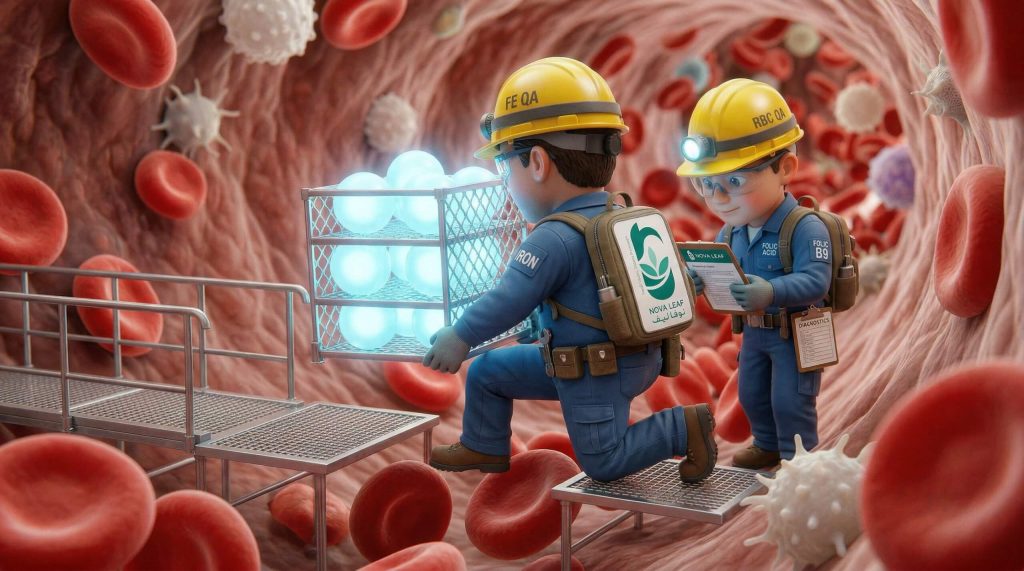
This is where Liposomal Iron changes the clinical landscape. Unlike standard supplements, liposomal iron is encapsulated within a phospholipid bilayer (a fatty bubble). This provides two major benefits:
- Superior Absorption: It bypasses traditional pathways in the gut, often leading to higher bioavailability.
- Excellent Tolerability: Because the iron is “hidden” inside the lipid bubble, it doesn’t irritate the stomach lining or interact with the gut mucosa, significantly reducing or even eliminating the common side effects associated with iron pills.
The Chemistry of Liposomal Superiority
To understand why liposomal iron is a significant upgrade, we have to look at the M-cells.
- Traditional Iron: Standard iron salts (like ferrous sulfate or gluconate) must be dissolved in the stomach and absorbed via the DMT1 (Divalent Metal Transporter 1) protein in the duodenum. This process is easily blocked by “anti-nutrients” like phytates in coffee, tea, or calcium-rich foods.
- Liposomal Iron: Because the iron is wrapped in a phospholipid bilayer, it behaves more like a fat. It is absorbed via endocytosis through M-cells in the intestine and then enters the lymphatic system.
- The Clinical Result: This “Trojan Horse” method allows the iron to reach the liver directly without causing the oxidative stress in the gut that leads to the cramping and constipation patients dread.
The Regulatory Balance: Hepcidin and Absorption
The human body has no active way to excrete excess iron from the blood, so it regulates levels primarily through absorption from the gastrointestinal tract. This is governed by a hormone called Hepcidin.
When your iron stores are high, hepcidin levels rise, signaling the gut to stop absorbing iron. This is a crucial safety mechanism, but it can also make traditional supplementation tricky; taking high doses of standard iron can spike hepcidin, actually decreasing the absorption of your next dose. This is why many clinicians now recommend “alternate-day” dosing for traditional salts to maximize efficiency.
Critical Micronutrient Synergy
Iron doesn’t work in a vacuum. For the body to actually build healthy red blood cells, it requires a support team:
- Vitamin C: Essential for traditional iron absorption as it keeps iron in the more soluble “ferrous” (Fe2+) state.
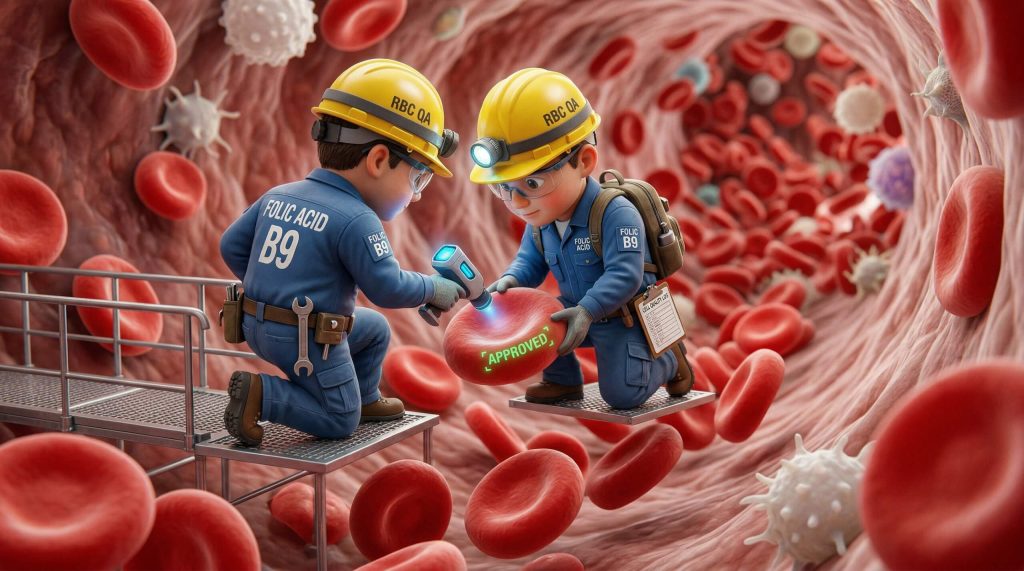
- Vitamin B12 & Folate: While iron builds the “engine” (hemoglobin), these vitamins are required to build the “chassis” (the red blood cell itself).
- Copper: A copper-containing enzyme (Ceruloplasmin) is required to mobilize iron from storage so it can be used for hemoglobin synthesis.
Dietary Sources of Iron
To maintain healthy levels, it is important to understand that not all food-based iron is created equal. Dietary iron comes in two forms:
- Heme Iron: Found in animal products like red meat, liver, and poultry. This form is highly bioavailable, meaning your body absorbs it very efficiently (about 15-35%).
- Non-Heme Iron: Found in plant-based foods like lentils, chickpeas, spinach, pumpkin seeds, and fortified cereals. While healthy, this form is harder for the body to absorb (about 2-20%).
Pro-Tip: To boost the absorption of non-heme iron, pair these foods with a source of Vitamin C (like a squeeze of lemon on spinach or a glass of orange juice with your lentils). Avoid drinking tea or coffee immediately after meals, as tannins can block iron uptake from food.
Iron: The Secret to Strong Hair and Radiant Skin
While we often focus on energy, iron is a “beauty mineral” because it ensures that the fastest-growing cells in the body, those in our hair follicles and skin, receive enough oxygen to thrive.
1. Stopping the Shed: Iron and Hair Loss
Hair follicles require a significant amount of energy and oxygen to produce new hair.
- The Oxygen Starvation: When iron levels are low, the body prioritizes oxygen for vital organs like the heart and brain, “starving” the hair follicles.
- Telogen Effluvium: This can trigger a condition where hair prematurely enters the resting phase and falls out. Low ferritin (the storage form of iron) is one of the most common clinical causes of thinning hair in women.
2. The Iron Glow: Skin and Complexion
- Paleness (Pallor): Hemoglobin gives blood its red color, which in turn gives skin a healthy, pinkish glow. Low iron results in less hemoglobin, making the skin appear sallow, pale, or “washed out.”
- Dark Circles: While many factors cause under-eye circles, iron deficiency can make the skin more transparent, making the bluish veins beneath the eyes more visible.
- Dryness and Itching: Iron is involved in skin cell turnover; deficiency can lead to dry, itchy skin and even “angular cheilitis” (painful cracks at the corners of the mouth).
The Life-Support System for Two
During pregnancy, the demand for iron increases dramatically, nearly doubling the usual requirement.
- Blood Volume Expansion: To support the growing fetus and the placenta, a mother’s blood volume increases by approximately 50%. This requires a massive surge in hemoglobin production, which is impossible without adequate iron.
- Fetal Brain Development: Iron is essential for the development of the fetal brain, particularly the hippocampus (the memory center).
- Prevention of Preterm Birth: Clinical studies show that correcting iron-deficiency anemia reduces the risk of low birth weight and preterm delivery.
- The “Iron Bank”: The baby stores iron in their own liver during the last trimester to last them through the first 6 months of life (while they are exclusively on breast milk).
References
Pisani, A., et al. (2015). Effect of a new liposomal iron preparation on physical and psychological well-being in patients with iron deficiency. Journal of Blood Medicine.
Abbaspour, N., et al. (2014). Review on iron and its importance for human health. Journal of Research in Medical Sciences.
Gómez-Ramírez, S., et al. (2018). Sucrosomial® Iron: A New Generation of Oral Iron Supplementation. Nutrients.
Tako, E. (2019). Iron: PHooda, J., et al. (2014). Iron Homeostasis: The Role of Dietary Iron Bioavailability. International Journal of Molecular Sciences.
Hurrell, R., & Egli, I. (2010). Iron bioavailability and dietary reference intakes. The American Journal of Clinical Nutrition.hysiology, Dietary Sources, and Requirements. Nutrients.
Trost, L. B., et al. (2006). The diagnosis and treatment of iron deficiency and its potential relationship to hair loss. Journal of the American Academy of Dermatology.
Moeinvaziri, M., et al. (2009). Iron status in diffuse telogen effluvium. European Journal of Dermatology.
Odom, S., et al. (2020). The Role of Micronutrients in Skin Health and Function. Vitamin and Mineral Research.
Bothwell, T. H. (2000). Iron requirements in pregnancy. The American Journal of Clinical Nutrition.
Milman, N. (2011). Prepartum anaemia: prevention and treatment. Annals of Hematology.